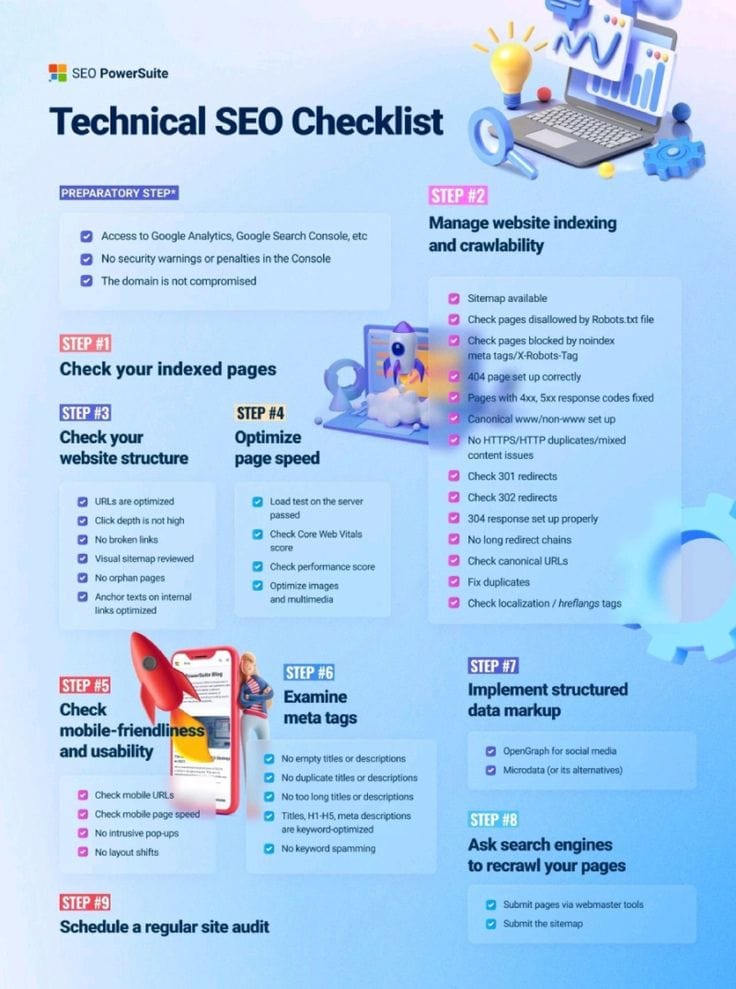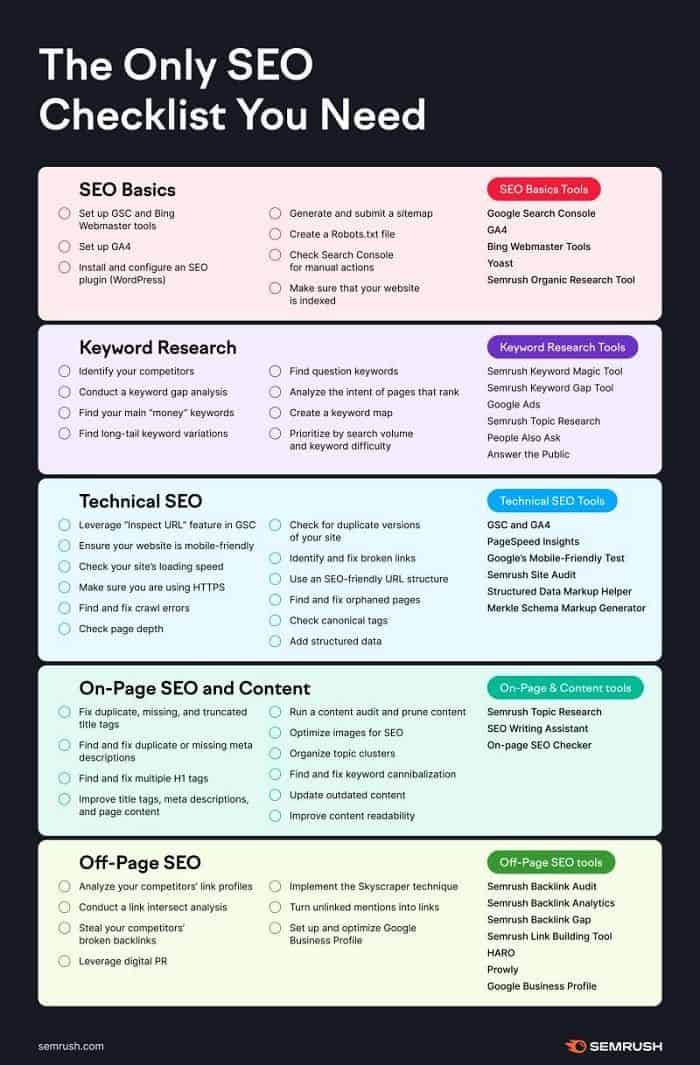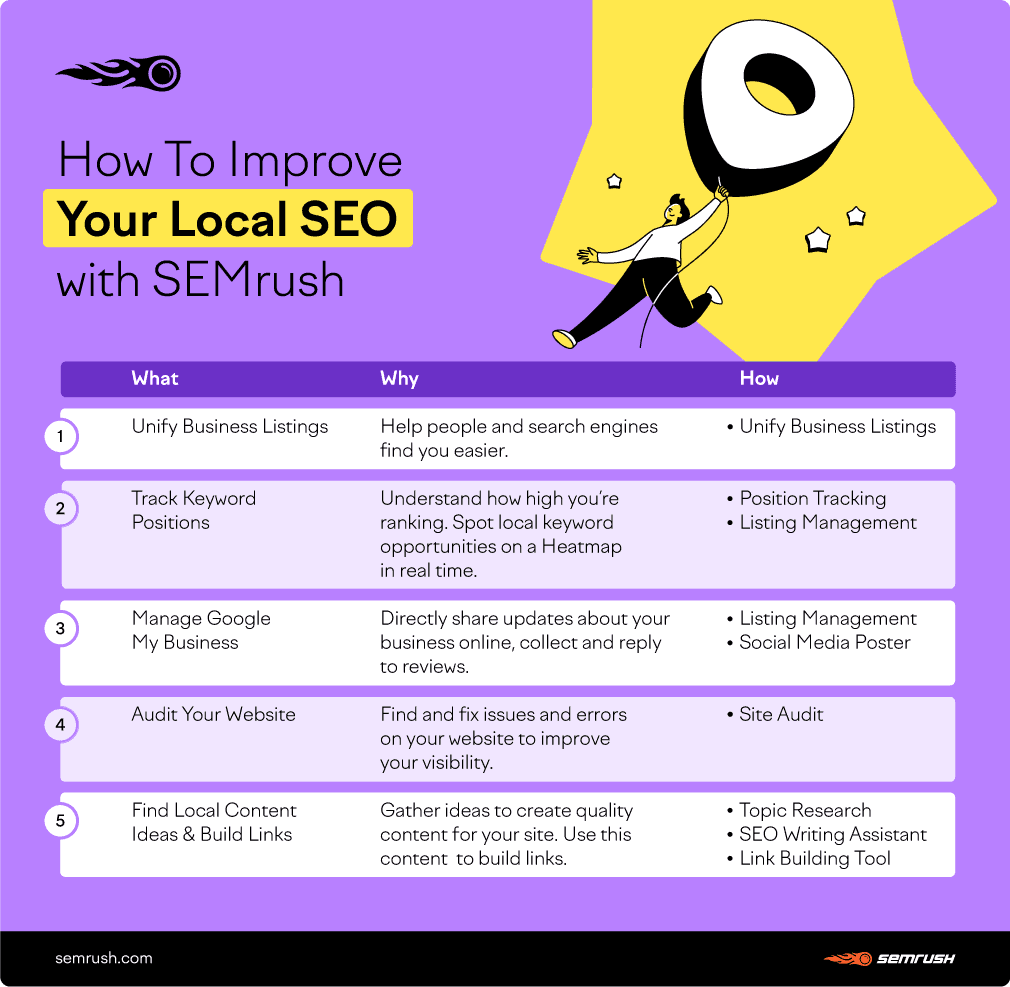
Sample seo errors

Crawl depth is high

Depth of the page from the start page (number of "clicks" away from the start page). If a web page is too deep, it is harder to get to that page. We recommend a maximum crawl depth of 3.

Description is not unique

Every page should include a unique value to users. So, every web page should have a different META description.

Description is long

Meta descriptions can technically be any length, but Google generally truncates snippets to ~155-160 characters. It's best to keep meta descriptions long enough that they're sufficiently descriptive, so we recommend descriptions no longer than 160 characters.

Description is short

Meta descriptions can technically be any length, but Google generally truncates snippets to ~155-160 characters. It's best to keep meta descriptions long enough so that they're descriptive and should be no shorter than 50 characters.

Description is empty

Meta descriptions should not be empty as they help improve click-through rates, provide context, allow for better optimization, and prevent search engines from generating their own snippet.

Duplicate content

Every page should include a unique value to users. So, every webpage should have different contents.

H1 tag is not unique

Every page should include a unique value to users. So, every webpage should have a different H1 tag.

H1 tag is long

Best practices say titles will be between 40 and 60 characters so you can fit in the most keywords. However, when you reach the 50-60 keyword range, your click-through rate can start to decrease. As a result, try to stick to the 30-40 character range.

H1 tag is empty

Every web page should have an H1 tag as it helps search engines and users understand the major topic and purpose of the page.

The loading time is very long

All webpages should load as fast as possible. If the loading time is long, your internet connection or web server is very slow. Reducing file size of the web page may help.

Multiple H1 tags exist

Avoid using multiple H1 tags on a single web page. In HTML, the H1 tag is meant to represent the main heading of the page and carries the highest level of importance in terms of document structure. Using multiple H1 tags can confuse search engines and screen readers, as they rely on these tags to understand the hierarchical structure of your content.

Title is not unique

Every page should include a unique value to users. So every web page should have different HTML title.

Title is very long

Google has recently increased the length of titles in its search engine results pages (SERPs) from 50 to 60 characters to approximately 70 characters, provided that the length of title tag content should not exceed 600 pixels.

Title is empty

An HTML title should not be empty as it is a crucial element for search engines and website visitors to understand the content and purpose of the page.

URL is very long

The maximum length of a URL in the address bar is 2048 characters. However, the successful processing of extra-long links by the browser does not mean that a search robot will be able to process them too. The appropriate page URL is 80 characters long. Search engines prefer short URLs.

Few words

A higher word count helps Google better understand what your text is about. And speaking, Google ranks longer articles higher. We advise writing over 300 words for regular posts or pages.
Bob Stein
Connecticut SEO Experts
Local SEO & Google Ads Consultant
Glastonbury, CT 06033
(860) 659-7135
Connecticut SEO Experts
Local SEO & Google Ads Consultant
Glastonbury, CT 06033
(860) 659-7135
bobstein@gmail.com
LOCAL SEO 2025